
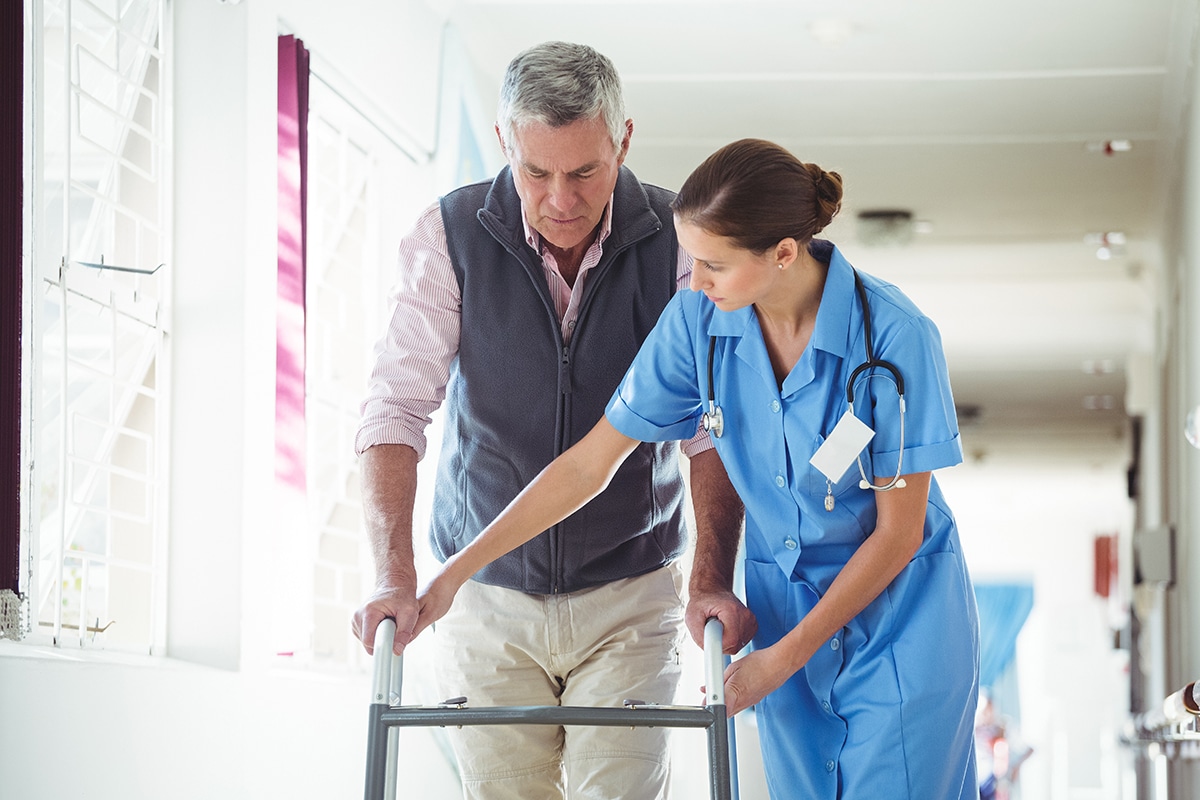
When preparing for surgery, it’s easy for the stress of the actual procedure to dominate your mind. This is natural, but it often causes people who have surgeries to focus so hard on the procedure that they fail to plan for the recovery process that follows. Whether you’ve undergone a joint replacement, cardiac procedure, spinal surgery, or another major operation in the Pittsburgh PA area, what happens after you leave the hospital plays a critical role in how well and how quickly you heal.
Understanding the post-surgical process and knowing how to find the right post-acute care can make all the difference for patients and families alike.
Transitioning from Hospital to Post Acute Care
Fortunately, you’ll never have to go through this process alone. After surgery, your hospital care team will evaluate your medical stability, mobility, and support system at home. Some patients can return home with outpatient therapy or home health services right after their hospital stay, while others may need a short-term stay in a skilled nursing facility for more comprehensive rehabilitation and medical monitoring to ensure that they recover correctly.
This follow up rehabilitation and monitoring are called post acute care. It’s designed for individuals who are medically stable but still require nursing oversight, physical rehabilitation, medication management, wound care, or other clinical services before safely returning home.
Your discharge planner or case manager will typically provide you with a list of local post skilled nursing facilities for you to research with your family. It’s always good to ask questions at this stage to make sure that you select the facility that best fits your recovery needs.
How to Find the Right Post Acute Care Facility
Choosing a post acute nursing facility in Pittsburgh takes a little more than just picking the closest location. It’s important to consider all the factors that will affect your rehabilitation experience, such as:
1. Skilled Nursing and Medical Oversight
After surgery, complications such as infection, blood clots, or medication side effects can arise. You’ll want to look for a facility that offers 24-hour skilled nursing care and strong clinical oversight. Access to experienced nurses, top-of-the-line equipment, and coordinated physician involvement ensure that any changes in condition are addressed quickly.
2. Comprehensive Rehabilitation Services
Physical therapy, occupational therapy, and sometimes speech therapy are essential components of recovery. A high-quality post-acute facility should provide individualized therapy plans tailored to your surgical procedure and personal goals. Ask how often therapy is provided and whether treatment plans are updated regularly based on progress.
3. Care Coordination
In many cases, recovery can involve multiple providers, surgeons, primary care physicians, specialists, and therapists. Effective communication between the post acute team and your surgical team helps maintain continuity of care. Facilities that prioritize coordinated discharge planning can also make the eventual transition home smoother.
4. Clean, Comfortable Environment
Healing isn’t just clinical. It’s emotional and psychological as well. A clean, welcoming environment with supportive staff can significantly impact motivation and overall well-being during recovery.
5. Patient-Centered Approach
Every patient’s surgical recovery process looks a little different. Find a facility that treats patients as individuals, setting realistic goals and celebrating milestones along the way.
The Role of Post Acute Care in Recovery
Post acute care bridges the gap between hospital and home. During the post acute care process, patients work on regaining strength, rebuilding endurance, managing pain safely, and relearning daily tasks when necessary. For example, after orthopedic surgery, physical therapists focus on restoring mobility and preventing stiffness. Following cardiac procedures, rehabilitation may center on monitored exercise and education about lifestyle adjustments. For more complex surgeries, skilled nursing staff monitor wounds, manage IV medications, and ensure proper healing.
The structured environment of a skilled nursing facility allows patients to focus fully on recovery without the stress of managing everything independently too soon.
How Carnegie Park Post Acute Supports Surgical Recovery
At Carnegie Park Post Acute, we understand that what happens after surgery is just as important as the procedure itself. Our team provides 24-hour skilled nursing care, individualized rehabilitation programs, and close coordination with physicians to ensure each patient receives attentive, comprehensive support.
Our therapy team works closely with patients recovering from orthopedic, cardiac, neurological, and other surgical procedures. Treatment plans are customized to meet everyone’s needs, helping patients regain independence safely and efficiently. Our licensed professionals partner with the nation’s leading provider of advanced rehab technology, Accelerated Care Plus, to make sure that our rehab technology and practices are always on the cutting edge.
In addition to strong clinical care, we emphasize comfort, dignity, and encouragement. Recovery can be challenging, but having a compassionate team and a structured rehabilitation plan makes the journey more manageable.
For individuals and families navigating post-surgical care in Pittsburgh, knowing what to look for, like 24-hour skilled nursing, strong rehabilitation services, coordinated care, and a supportive environment, can provide peace of mind during such an important time.
Surgery is the beginning of the healing journey, and with a post acute partner like Carnegie Park Post Acute, you can recover with confidence and support every step of the way.